
2026
nothing is the same

#1 in 2026
I am no longer Tara Selter, antiquarian bookseller with an eye for detail and instinct for collectable works.
I am sitting at my desk by the window. Two paperweights reflect the light. One is royal blue and is shaped like an egg. The other is round and full of yellow and orange fireworks. Soon I will go out and see if my car door is frozen. But right now, in this moment, which will end soon, I am writing about Solvej Balle in an imitation of her style. The difference between her and me, and it is a big difference, since not all differences are the same, since differences can also be as small as in whether I describe the round paperweight or the egg-shaped one, the big difference between Balle and me is that I am not writing Volume II of On the Calculation of Volume translated by Barbara Haveland. I am also not her hapless yet curious protagonist who is stuck in time and lives through November 18th every day.
I consume my world. I sustain burns and sprained ankles. But I also put other people in danger. I drag them out of their eighteenth of November.
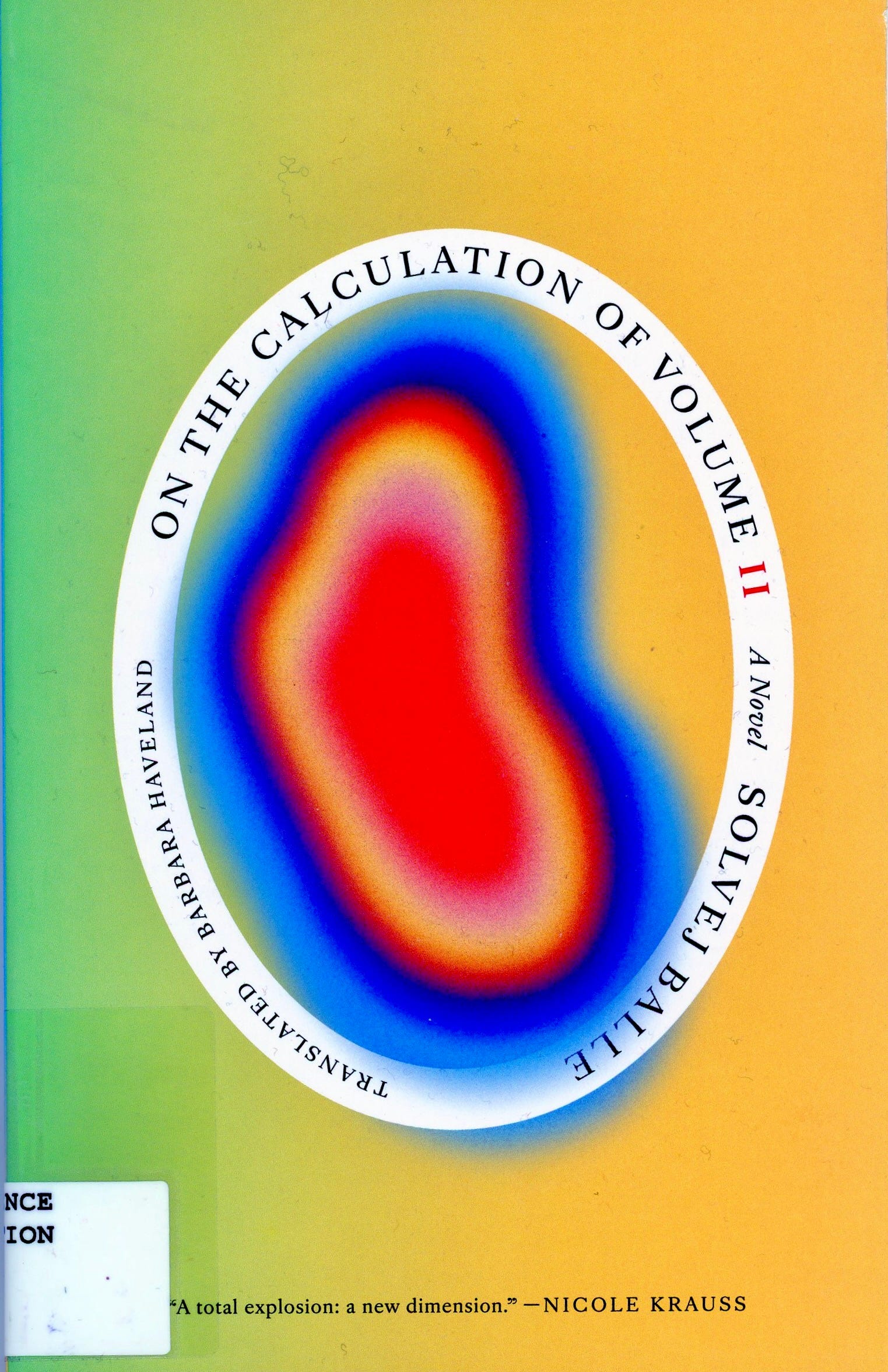
In Volume II, Tara Salter travels across Europe in search of the life she knew, the one with seasons. Given the unease and violence of our current days, the idea of being stuck in time — a nonentity of time — is oddly soothing.
I should have guessed. That it might happen. A theft. A banal bag theft. But my bag is not just a bag. My bag is everything. All I own. If it is gone I am gone. Almost. But it has come back. Everything has come back. Almost.
#2 in 2026
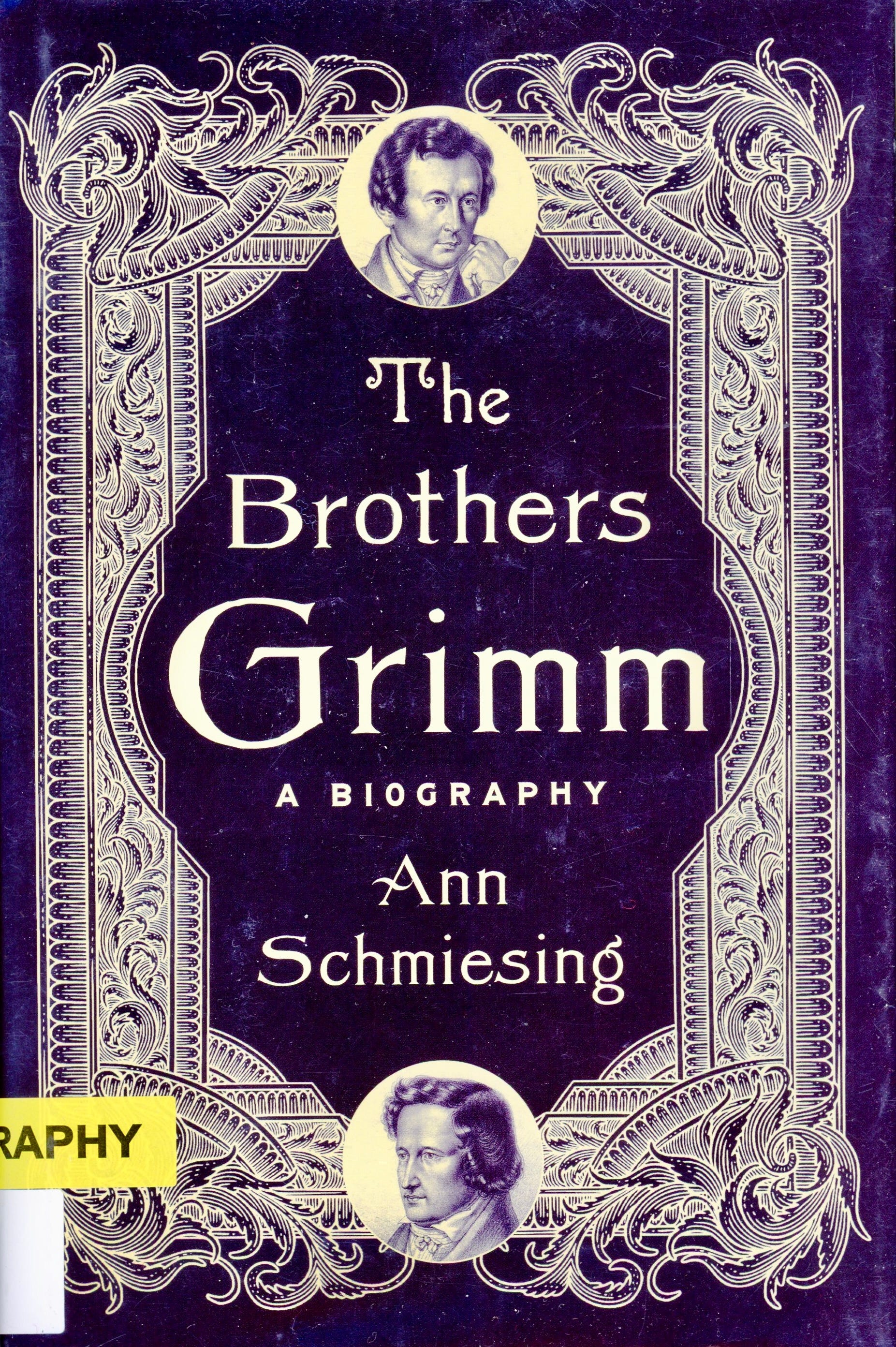
Once upon a time there was a pair of brothers who couldn't bear to leave each other’s side and who were incredible workaholics. When their father died, their family of six siblings was plunged into poverty. The Germany they lived in was a bunch of many kingdoms, and they lived through invasions and a French occupation. Because they fought censorship, they suffered exile. One brother, Wilhelm, was constantly sick and tried to cure his tachychardia and anxiety with magnet, bath, and electric shock therapies. The other brother, Jacob, found a wife and had children but couldn't imagine life without Wilhelm. Thanks to these two, we have massive collections of fairy tales. The Brothers Grimm's collection of Children’s and Household Tales has been translated into more languages than any German book.
The Brothers Grimm: A Biography by Ann Schmiesing is the straight-up story of their lives and works. I'm boning up on Europe in the 1830s, and this biography was a good way to get a lay of the land; also, who can resist anything that has once upon a time at its core.
Threatened by burgeoning literacy rates, autocratic governments became still more zealous in controlling what people could and could not read.
The early Grimm informants were literate, middle-class, young adult townspeople and thus they did not conform to the prevalent image of the storyteller as an uneducated, older peasant woman from the countryside.
#3 in 2026
“Gha! Higayvv;ligéi,” said Robinson Crusoe.
“We've done that already,” said Ishmael.
“Have we?” said Robinson Crusoe.
“Yes,” said the Lone Ranger. “Page fifteen.”
A new word in this century is “Pretendian”. It describes someone who knowingly or unknowingly has claimed indigenous ancestry without a right to do so and, to some extent, profited by this claim. Last year, Thomas King, 82 years old and one of the most prominent voices in Indigenous literature for over four decades, revealed that a genealogist convinced him that he had no Cherokee ancestry in his family tree. The author knew that public shame and ignominy would follow this revelation, you can read his statement here. Bookstores pulled his books off the shelves. Soon, or now, it will be, or is, in bad taste to read his work. A friend loaned me his most popular novel, Green Grass, Running Water. (thank you, Marny)
You couldn't call them Indians. You had to remember their tribe, as if that made any difference.

Well, at least now I’ve caught up with Thomas King. I laughed. I learned a lot. You might too. There’s a bibliography attached. Did it remind me of other literary works by other Native authors? Yes, it did. Ironically, King is highly critical of Natives who try to make money off their heritage.
“Be nice to get inside the big tent,” he said, pointing to the double lodge. “But a couple of shots of the men dancing around would be okay.”
“You know cameras aren't allowed.”
#4 in 2026
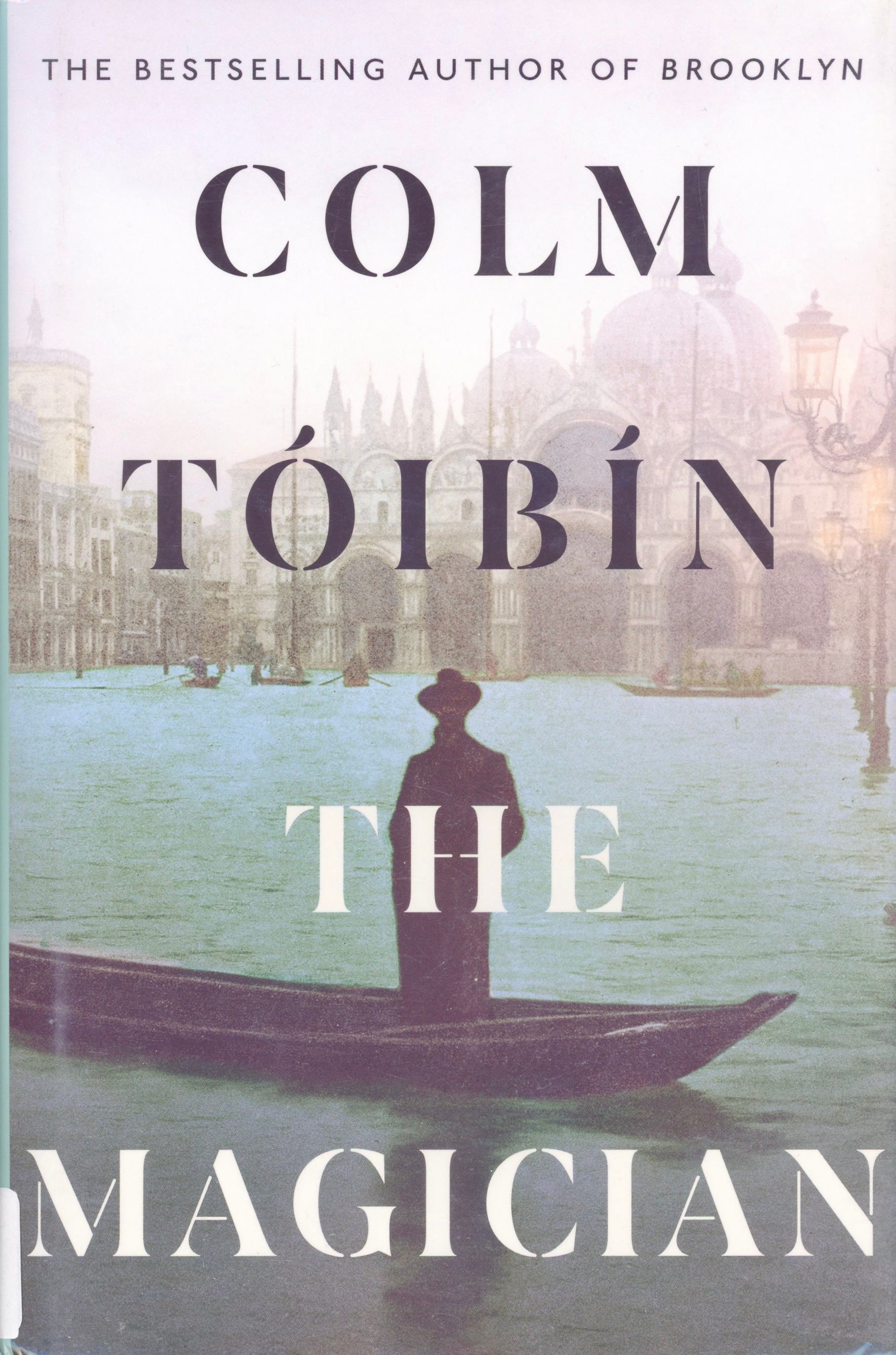
I hate to damn a book with Faint Praise but they ran out of Loud Praise at the store. When sex is not on the menu, the prose moves from purple to pedestrian in Colm Tóibín’s novel The Magician.
This is essentially a biography of Thomas Mann, author of Death in Venice and The Magic Mountain. The Great Man sired six children with a loving wife, yet Tóibín is far most interested in his secret yearnings to bury his face in a boy’s golden locks or to kiss a young man’s throbbing lips. Sometimes it feels like Tóibín simply copied down what Mann wrote in his diary that day. The story picks up when Mann’s books are being burned and he has to flee Nazi Germany and figure out how to live in America. In fact there’s potential for a lot of drama in Mann’s life, given that both of his sisters, one daughter-in-law and one son killed themselves. Yet somehow we never feel like we’re inside Mann’s mind. He seems hollow. But maybe that’s because he was hollow. He didn’t attend his son’s funeral.
I have disliked Thomas Mann before, I admit. Yet carping aside, it was worth reading for all the parallels with the present; to experience the horror of Hitler’s ascent; what it means to lose everything; and how bad things are when a ‘towering’ intellectual can’t even be protected by his Nobel Prize.
Each morning, as he opened the papers, it was in the expectation that there would be some news that the power of the Nazis was waning.
“We do not want Germany to be built again,” Katia [Mann’s wife] said. “The German people voted for Hitler and the thugs around him. They oversee the cruelty. It is not simply that there is a group of barbarians at the top.”
Hm… sound familiar?
#5 in 2026
The Right in the United States today is a social and political movement controlled almost totally by men but built largely on the fear and ignorance of women.
The right-wing woman makes what she considers the best deal.
You can't read Andrea Dworkin’s Right-wing women and stay calm. Her writing intends to enrage. You read a sentence like this one: Men hate intelligence in women, or this one: A woman must keep her intelligence small and timid to survive, and pretty soon there you are, choking on your chamomile tea. First published in 1983, this book has been re-published for good reason. Just in time. Because quiet, piggy.
The epithet is a weapon, whether hurled or delivered in a sulky or measured tone. The epithet is inevitably an act of hostility used in a spirit of vengeance. Calling a woman a name temporarily brands her; it molds social perceptions of her in a way that upholds her social inferiority.
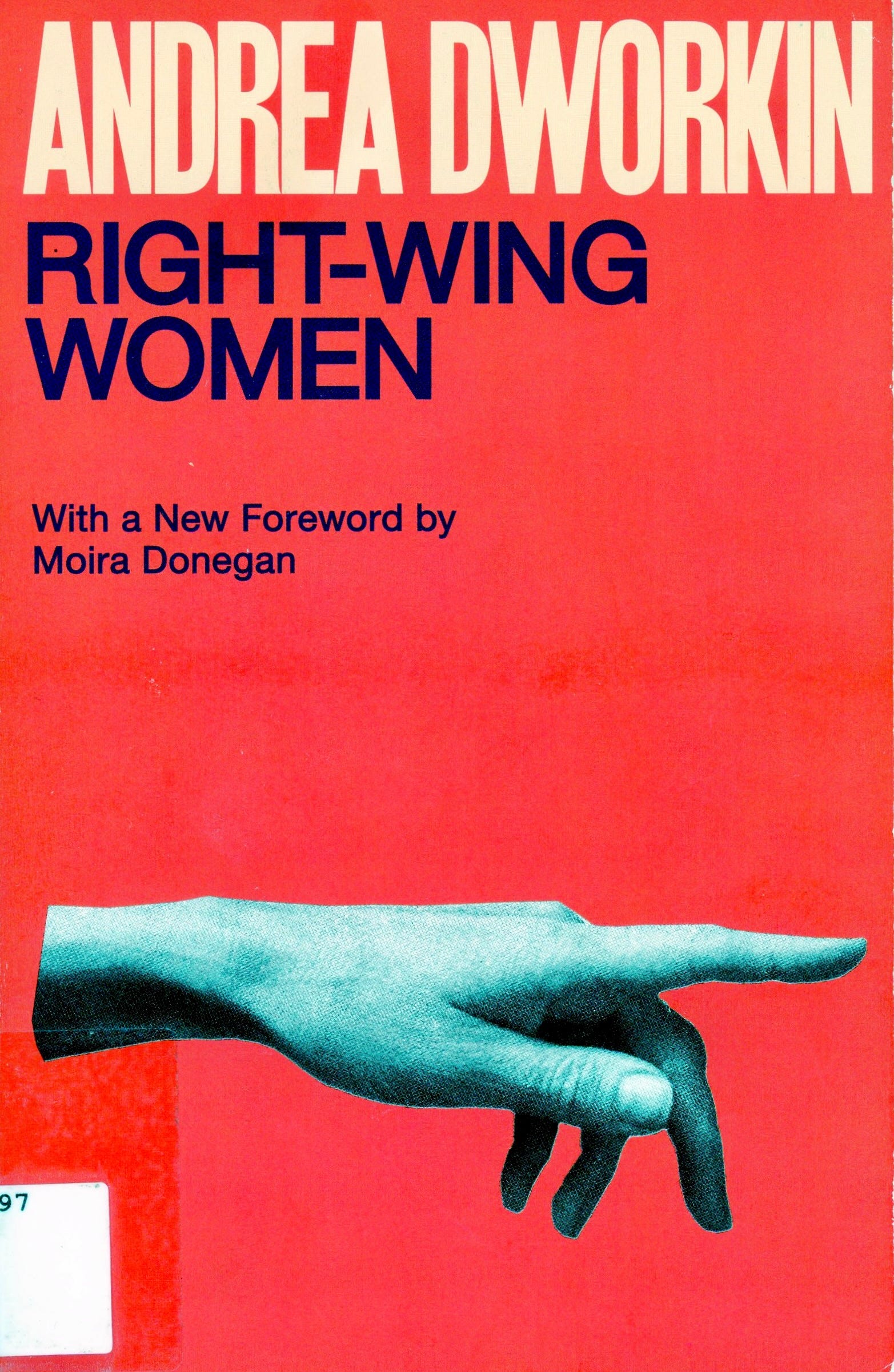
Dworkin doesn't exactly dwell on the mystery of right-wing women. Instead she tackles the obstacles women face. Only after she has hammered through her arguments does she try to figure out why right-wing women support the unsupportable. Her thesis is that these women see more clearly than leftists: they see that the patriarchy is rife on both sides, and think that by submitting and supporting it, women will have it better.
The introduction warns that many people hated Dworkin. At a right-wing Christian conference, a mob of women nearly pushed her over a balcony railing for being a lesbian and a Jew. What did the ICE agent say before he shot Renée Good in the face? At a time when women are under attack as never before, it’s good to feel the scorch of Dworkin’s anger.
The fate of every individual woman —no matter what her politics, character, values, qualities — is tied to the fate of all women whether she likes it or not.
*
Currently reading: José Saramago, Blindness
Failed to enthrall, because —
Not a political memoir: Andrea Dworkin, Heartbreak: the political memoir of a feminist militant
I know too much already. But you might not: V. M. Zubok, Zhivago’s Children: the last Russian intelligentsia
*
REMAINING LIST
Featured Author: Sigrid Nunez, Salvation City, 2010 (a pandemic novel)
Second Latest Title Saved: Peter Stamm, In Strange Gardens, 2006 (included in Best European Fiction 2010)
Oldest Title on the List: Claudia Rankine, The White Card, 2019 (a play)
The Random List:
Rabih Alameddine, An Unnecessary Woman, 2013 (a Beirut story)
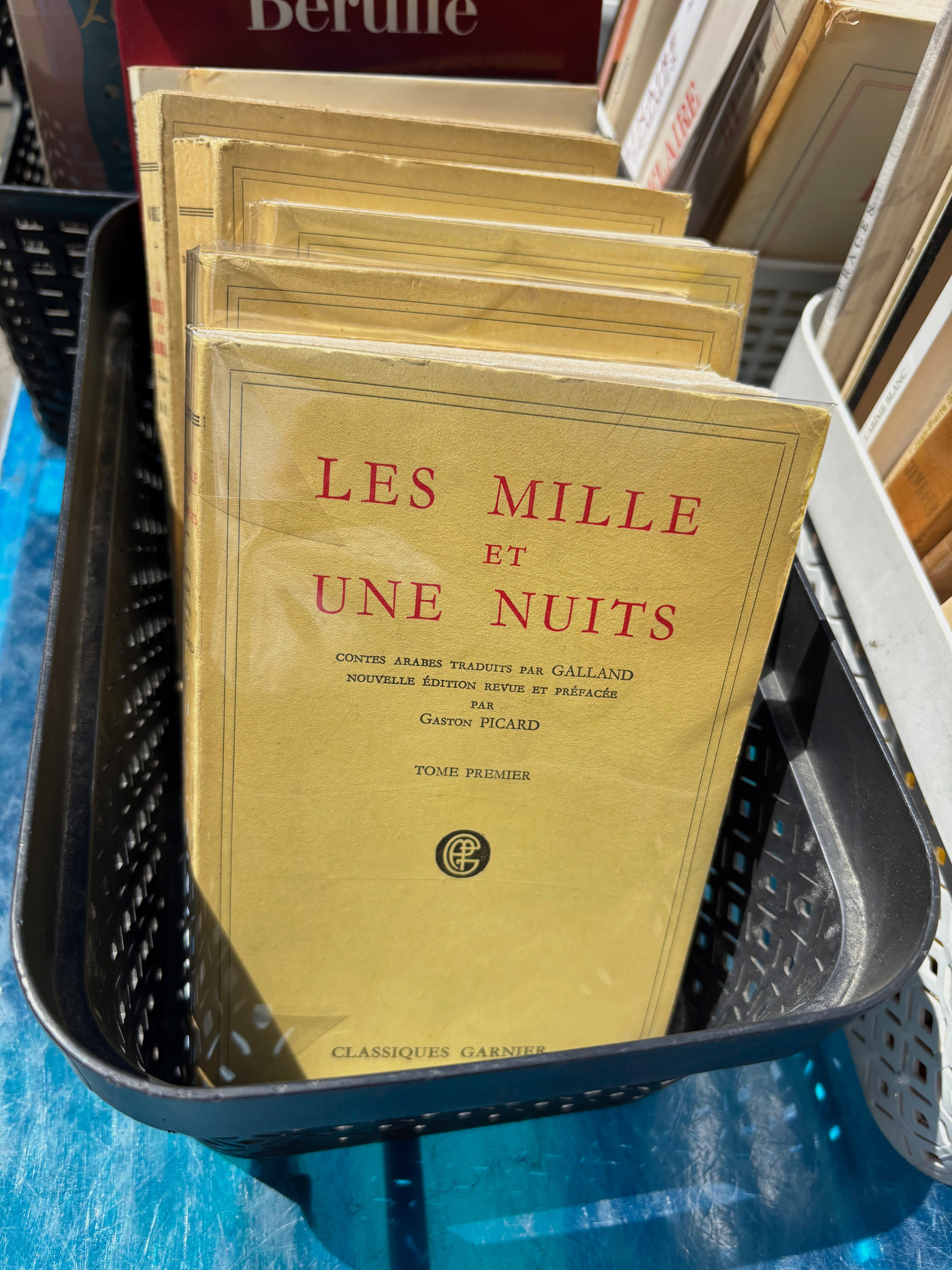
Would you consider Joe Boyden and Buffy Sainte-Marie Pretendians? Buffy came into my shop a couple of times years ago. She's a very pleasant woman so I hate to throw shade on her.